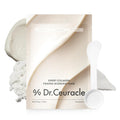




Morning sunlight streams through the window, your skin looks fresh and plump after your skincare - and then the question comes up: is daily SPF necessary when all you have planned today is the commute, a quick errand or a seat by the window? For most skin goals, the practical answer is: usually, yes. Not out of fear of every single ray of sunshine, but because regular sun protection helps your skin stay in its calm, balanced rhythm.
SPF isn't a spectacular step. It doesn't always smell like a spa, it doesn't visibly plump the skin, and at first it might feel like just another layer. Yet it's exactly this quiet consistency that makes it one of the most valuable rituals for an even, radiant complexion.
Why daily SPF makes such a difference
Sunlight isn't just made up of the UVB rays that can cause sunburn. UVA rays penetrate deeper into the skin and are especially relevant in everyday life: they're present even on overcast days, partly pass through window glass and can promote processes linked to premature skin ageing, loss of elasticity and uneven pigmentation.
If you're prone to dark marks after blemishes, melasma or an uneven skin tone, you know the frustration: your carefully chosen routine of soothing essences, hydrating serums and brightening ingredients seems to be working well - until the discoloration becomes more visible again. Without adequate UV protection, the sun can intensify these skin concerns. SPF won't create instant perfection, but it protects the progress your skincare routine is gently building.
Anti-ageing, too, is less about a dramatic overnight effect and more about repetition. UV radiation is one of the external factors that can put strain on collagen structures over the long term. A gentle, hydrating routine plus daily broad-spectrum protection is therefore often more sensible than an ever more intense line-up of active ingredients.
Is daily SPF necessary - even in winter and on cloudy days?
In Germany, a grey January morning doesn't exactly feel like sunscreen weather. Still, UVA radiation is present all year round. That's why SPF is worth it on ordinary days, especially if you catch daylight in the morning, sit by a window, are out and about or spend time outdoors. The same goes for walks in the low winter sun, ski days and days when light reflects off water, snow or bright surfaces.
That doesn't mean you have to treat every situation with the same strictness. If you spend an entire day indoors, far from any windows, and it already gets dark early, the benefit is smaller than on a summer day on the balcony. Skincare is allowed to stay realistic. What matters is the habit: once sunscreen becomes the last step of your morning routine, you no longer have to negotiate every day whether you might need it today.
In strong sun, during longer periods outdoors or on holiday, the answer is clearer anyway. Then a single application in the morning isn't enough. Sweat, water, friction from clothing and touching your face all reduce the protective film. In these cases, sunscreen should be applied generously and reapplied regularly.
Which SPF fits into a daily routine?
For everyday use, broad-spectrum protection with a high protection factor is a reliable choice - often SPF 50. Broad-spectrum means a product protects against both UVA and UVB rays. A high SPF also gives you a bit more leeway in case you don't apply quite as much product as is used in testing. But it's no free pass for hours of sunbathing or for skipping reapplication.
At least as important as the number on the packaging is how it feels on your skin. A sunscreen that pills under make-up, stings your eyes or feels uncomfortable on sensitive skin will quickly be forgotten in the bathroom cabinet. That's why K-Beauty sun care is so appealing to so many people: modern textures can feel light, hydrating and almost like a moisturiser. Dry skin in particular often benefits from creamy, nourishing formulas, while oily or blemish-prone skin frequently prefers fluid, fast-absorbing textures.
If your skin is sensitive, it pays to take a close look at the whole formula. A minimalist, soothing texture can be more comfortable than a product with a strong fragrance or lots of additional actives. It's best to patch-test new products on a small area of skin first. Stinging, lasting redness or itching are signals you should take seriously.
The right amount makes the difference
Even a high-quality SPF only protects as well as it's applied. For face and neck, the two-finger method is often recommended: a strip of product along your index and middle finger serves as a practical everyday guide. It isn't millimetre-precise for very small or large faces, but it reminds you not to use just a pea-sized amount.
Spread the sunscreen evenly all the way to your hairline and jawline. Ears, neck and décolletage are easily overlooked, even though they often catch light during the day. If you're wearing a sleeveless top or heading outside, your shoulders, the backs of your hands and other exposed areas deserve attention too.
Give your moisturiser a moment to settle, then apply SPF as the final step of your morning skincare. Make-up, if you wear it, comes after. When layering, calm pressing and patting works better than vigorous rubbing. That way your routine stays a moment for yourself - not a rushed chore.
When you should reapply sunscreen
During longer periods of direct sun exposure, reapplying roughly every two hours is a well-established guideline. After swimming, heavy sweating or towelling off, you should reapply sooner, even if a product is water-resistant. Water-resistant doesn't mean the protection lasts indefinitely.
In everyday office life, things are more nuanced. If you applied SPF carefully in the morning and then stay mostly indoors, you don't need to compulsively reapply at every opportunity. But if your desk is right by a window, you take long walks at lunchtime or you drive a lot, a top-up can make sense. On make-up days, liquid sun fluids, compact sun protection products or a sunscreen stick work well as a supplement. With sticks, though, make sure to apply several even strokes - one quick swipe usually delivers too little product.
SPF is protection, not the whole routine
Sunscreen can do a lot, but it doesn't replace shade, clothing, sunglasses or a hat in intense midday sun. Especially between late morning and early afternoon, it's wise to consciously limit direct sun. That's not giving up summer moments - it's enjoying them mindfully.
At the same time, SPF doesn't mean giving up the ingredients you've grown to love. Hydrating essences, Centella ampoules, ceramide creams or products with gentle brightening ingredients pair beautifully with sun protection. If you use retinoids, exfoliating acids or other potentially irritating actives, reliable daytime protection is especially helpful, because your skin may react more sensitively.
A beautiful routine isn't built from as many steps as possible, but from products you enjoy using regularly. A carefully chosen, authentic K-Beauty SPF can feel like the lightest finishing touch to your morning ritual - fresh, cared for and ready for whatever the day brings.
Make it easy for yourself: put your sunscreen next to your toothbrush or your day cream, choose a texture your skin looks forward to, and give it this calm moment of protection every morning.